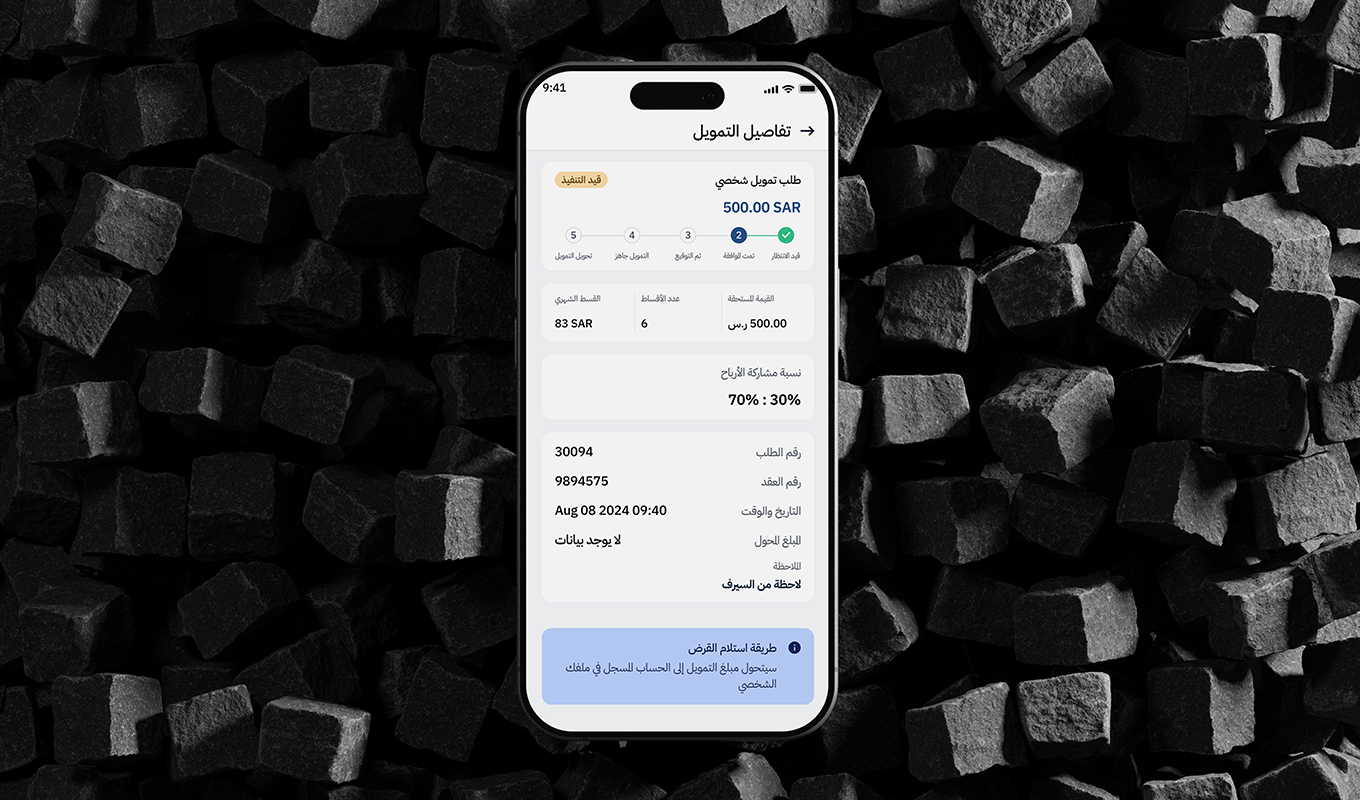
Fintech under regulation
Muhlah is a microfinance platform operating under Saudi Central Bank (SAMA) licensing — one of the more demanding regulatory environments for a fintech product to design within. My role focused on redesigning the product's UX/UI so it felt appropriately credible, modern, and easy to navigate for users making real financial decisions. The platform serves both Arabic and English-speaking users, which added layout, typographic, and directional complexity to every design decision.
When credibility did not show
Regulated fintech products carry an unusual design burden: they must communicate compliance, trust, and reliability while still feeling modern and easy to use. Muhlah's existing experience had weaknesses in hierarchy, information structure, and visual consistency that made the product feel less polished than its regulatory standing deserved. In a market where users are understandably cautious about who holds their money, a product that looks uncertain creates real conversion problems.
Trust in two directions
I redesigned the product around four priorities: clearer information hierarchy, stronger trust signals at decision points, a more refined and consistent visual language, and full support for Arabic and English across the interface. Rather than treating the dual-language requirement as a translation afterthought, I built the layout system around right-to-left parity from the start — ensuring the Arabic experience was as considered as the English one. The visual redesign brought the product closer to the standards users expect from SAMA-licensed financial services.
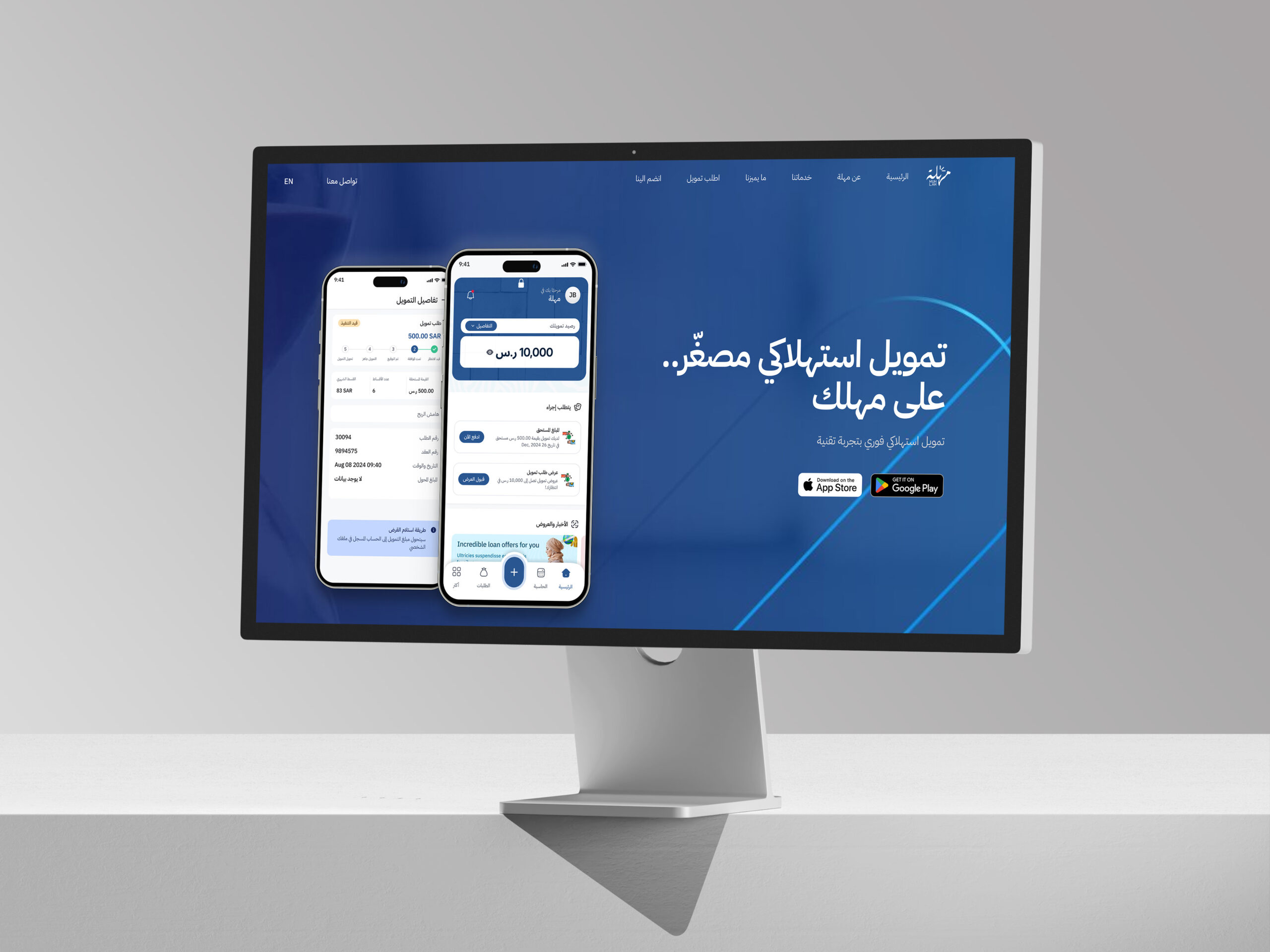
Designing Arabic and English together
I treated regulation, information hierarchy, visual credibility, and RTL parity as connected constraints rather than separate polish tasks.
- Audited the existing experience against fintech trust and clarity benchmarks, identifying the specific screens and flows where the product was losing user confidence.
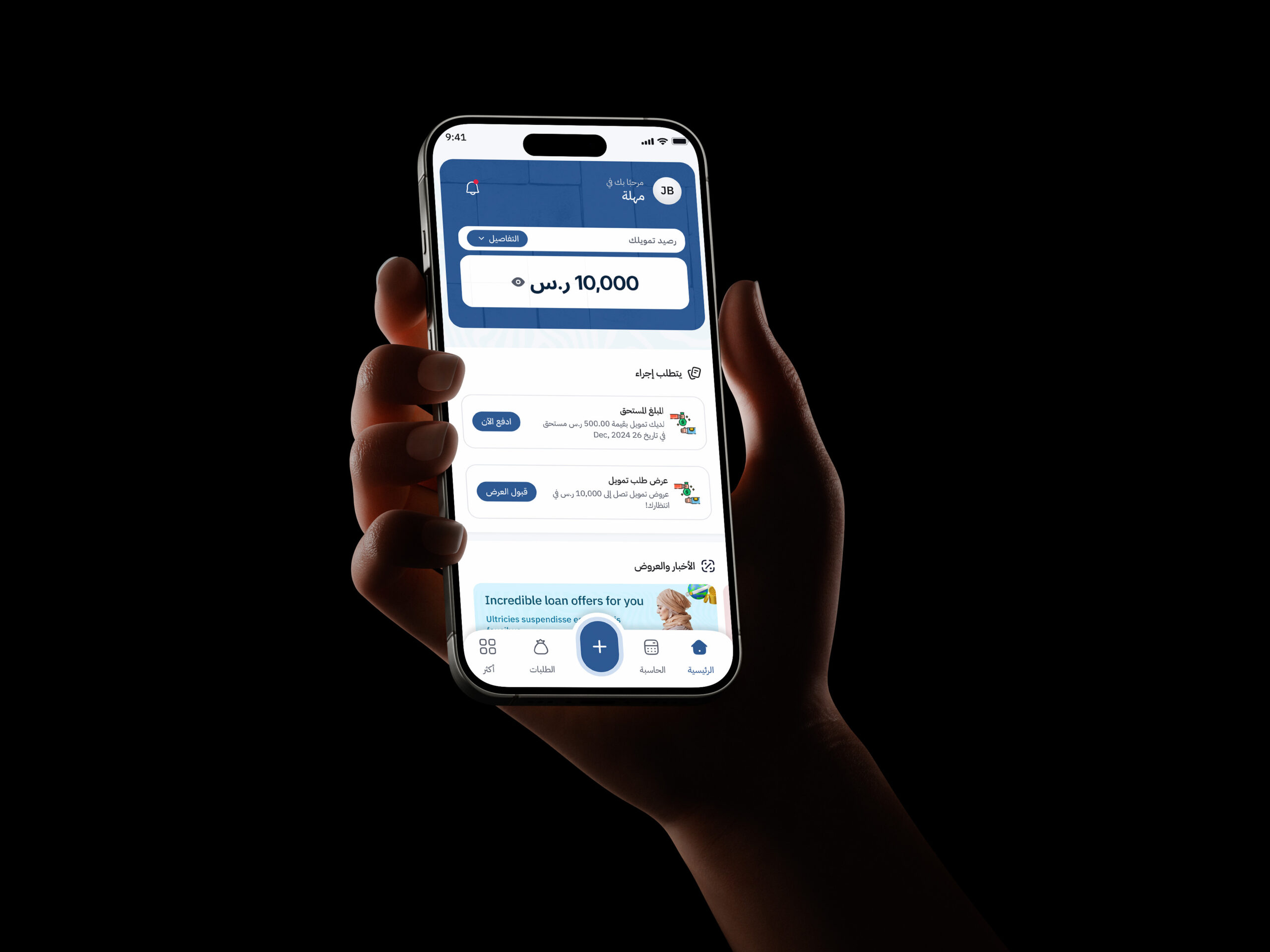
- Restructured the information hierarchy across core screens so key actions and account information were immediately scannable rather than buried in dense layouts.
- Developed a refined visual system with stronger typographic scale, more deliberate use of colour for status and trust signalling, and a dark/light mode implementation that worked across both language directions.
- Designed for Arabic (RTL) and English (LTR) simultaneously, using a layout grid and component system that flipped cleanly rather than requiring separate screen sets.
- Applied consistent fintech UX patterns — clear data labelling, explicit transaction confirmation states, and structured balance/activity summaries — to give the product a more mature, reliable feel.
- Produced detailed handoff documentation so the engineering team could implement the dual-language system without ambiguity.
A more credible product
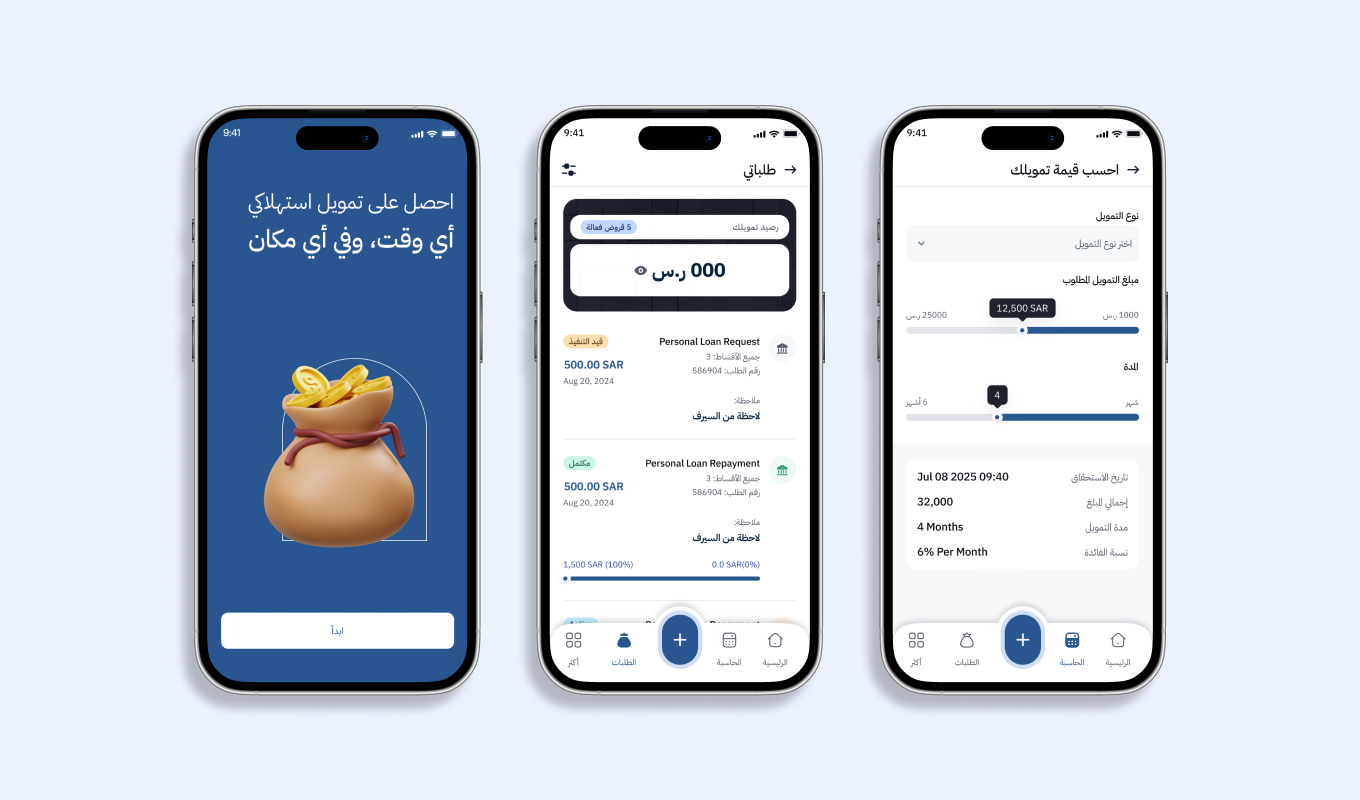
The redesigned product presented Muhlah as a more credible, professional-grade fintech platform — consistent with what users expect from a SAMA-licensed service. Visual coherence improved significantly across both language directions, and the stronger information hierarchy made it easier for users to scan, trust, and act on key financial information. The project deepened my experience designing within strict regulatory contexts and building interface systems that work across multiple languages without compromise.